

…VC advocates global research collaboration as scholars gather to unlock brain science frontiers
By Duchess Ifeoluwa
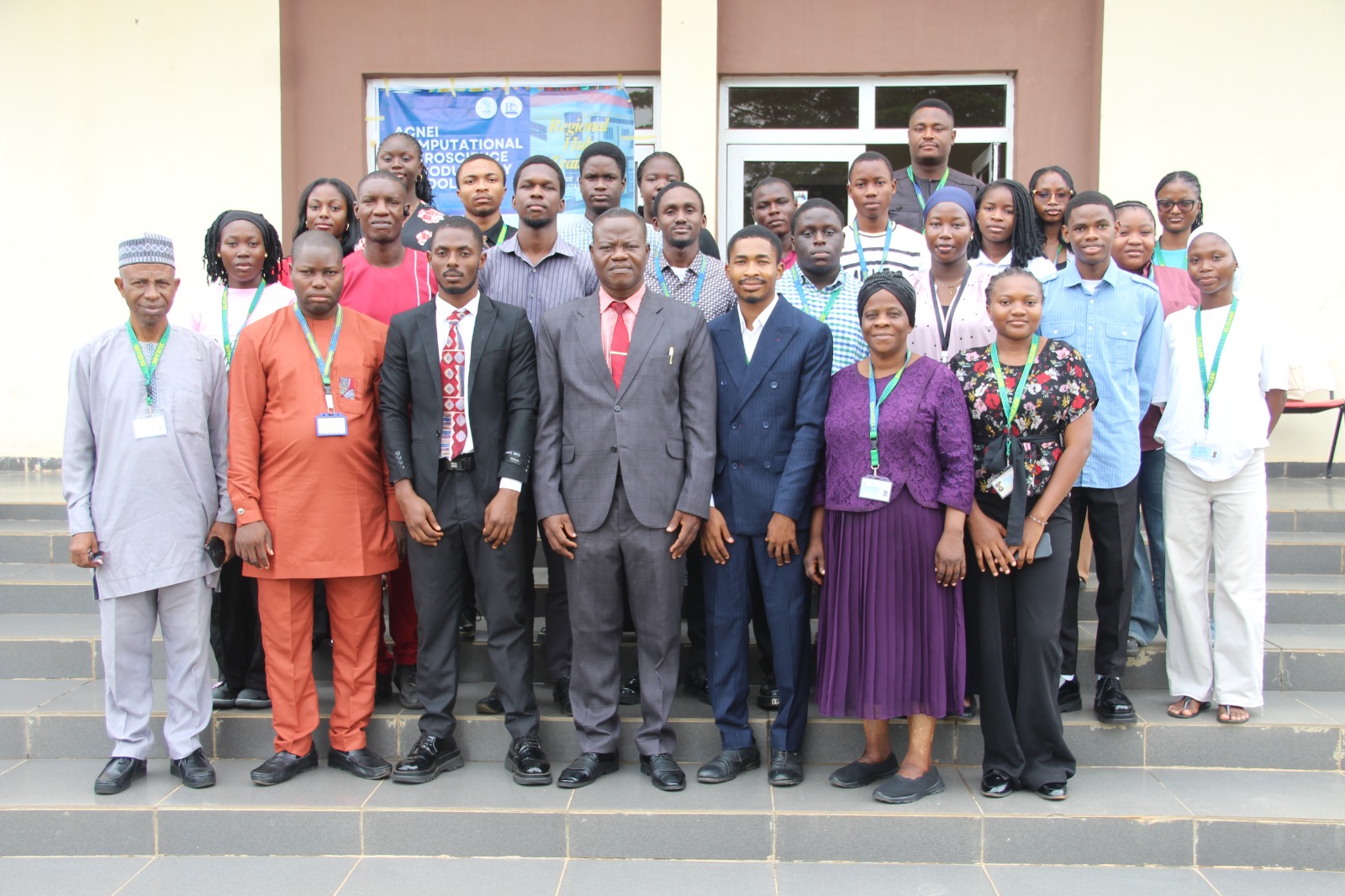
Elizade University, Ilara-Mokin, has reinforced its growing reputation as a centre for research excellence and international academic collaboration with the hosting of a regional training programme on Computational Neuroscience, attracting scholars and researchers from across Africa.
The three-day intensive programme, organised by the African Computational Neuroscience Educational Initiative (ACNEI) in partnership with Elizade University, focused on equipping participants with advanced skills in brain science, neural modelling, data analysis and collaborative scientific research.
Speaking at the opening ceremony, the Vice-Chancellor of Elizade University, Professor Philip Oguntunde, stressed the importance of international cooperation in advancing scientific discovery and solving global challenges.
According to him, meaningful solutions to many of the world’s pressing problems can only emerge through sustained collaboration among researchers, institutions and nations.
“Knowledge has no geographical boundaries. Ideas, innovations, creativity and discoveries are not confined by race, nationality or demography. The solutions to global challenges lie in collaborations that transcend borders,” he said.
Professor Oguntunde noted that universities have a critical responsibility to provide platforms that encourage intellectual exchange, innovation and interdisciplinary research capable of driving societal transformation.
He commended the organisers of the programme, Tolulope Gbayisemore and Afeez Oladokun, for their commitment and dedication in bringing the initiative to fruition.
The Vice-Chancellor described the programme as a reflection of Elizade University’s vision of producing globally competitive scholars and fostering cutting-edge research capable of addressing contemporary challenges.
Also speaking, the Acting Dean of the Faculty of Allied Health Sciences, Dr. Alice Oguntunde, described the initiative as a strategic effort to strengthen scientific research capacity in Africa.
She praised the young researchers behind the programme for returning to Nigeria to share expertise acquired through international academic engagements.
“It is encouraging to see young academics returning to share their expertise with colleagues at home. This kind of knowledge transfer is essential for building sustainable research capacity and advancing scientific excellence in Africa,” she said.
Participants were exposed to a comprehensive curriculum covering key areas of computational neuroscience, including Neural Modelling with Python, Brain Dynamics and Spikes, and Computational Neuroscience Basics.
The training also featured collaborative research projects, enabling participants to work in teams on guided studies with potential for further development beyond the programme.
The final day of the event involved an advanced hybrid session where twenty selected participants underwent intensive practical exercises designed to deepen their technical and research competencies.
Dean of the Faculty of Basic and Applied Sciences, Professor Omotola Dada, described the programme as a significant milestone for neuroscience education on the continent.
She noted that computational neuroscience is increasingly influencing fields such as artificial intelligence, machine learning, cognitive science, medicine and brain-inspired technologies, making such training programmes essential for Africa’s scientific advancement.
According to her, the successful hosting of the regional hub training further strengthens Elizade University’s position as an emerging centre of excellence for innovation, research and international academic collaboration.
Participants described the programme as a valuable opportunity to join a growing network of African scientists committed to advancing neuroscience research and positioning the continent as a significant contributor to global scientific discoveries.
The programme coordinator, Tolulope Gbayisemore, expressed confidence that the knowledge acquired during the training would stimulate further research collaborations and contribute to scientific breakthroughs capable of addressing real-world challenges.