
By Duchess Ifeoluwa
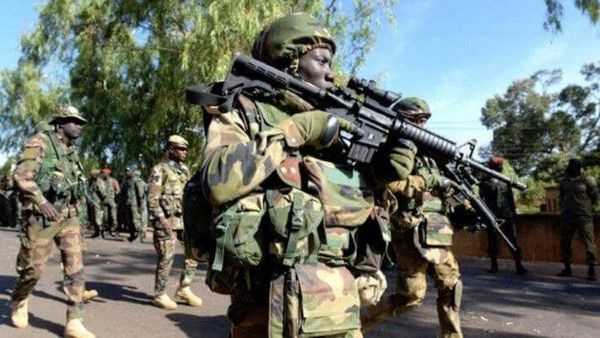
The Nigerian Army has inaugurated a General Court Martial to try 12 soldiers facing allegations ranging from murder and assault to aiding criminal activities.
The court martial was constituted at the 4 Special Forces Command in Doma, Nasarawa State, with military authorities describing the move as part of efforts to uphold discipline, professionalism and accountability within the Armed Forces.
The panel was inaugurated by the Commander of the 4 Special Forces Command, Major-General Olurotimi Awolo, who was represented by the President of the General Court Martial, Colonel Salihu Ibrahim.
Speaking during the inauguration, Colonel Ibrahim said the court was established pursuant to Section 131 of the Armed Forces Act and would conduct its proceedings in strict compliance with the provisions of the law.
He assured that each case would be determined on its individual merit and in accordance with the 1999 Constitution, military regulations and the principles of natural justice.
The court president emphasised that all the accused soldiers remained innocent until proven guilty, stressing that the panel would ensure fairness and impartiality throughout the trial.
He also called on both the prosecution and defence teams to discharge their responsibilities professionally and avoid unnecessary delays that could hinder the administration of justice.
“The court will consider every case on its merit and ensure that justice is served in accordance with the law. The rights of the accused persons will be respected at all stages of the proceedings,” he said.
However, the commencement of the trial suffered an immediate setback after six of the 12 accused soldiers were declared medically unfit to stand trial.
The court’s medical orderly, Sergeant Audu Ahmadu, informed the panel that five of the affected soldiers were suffering from critically high blood pressure, making it medically unsafe for them to participate in the proceedings.
Following the medical report, the prosecuting counsel, Captain Shamsudeen Sadiq, applied for an adjournment to enable the affected personnel to receive appropriate medical attention before the trial could proceed.
Counsel to the accused soldiers, George Illah, assured the court that the defence team would remain committed to protecting the constitutional rights of the defendants throughout the proceedings.
After considering the submissions, the court granted the request for adjournment and postponed the trial to a date yet to be announced.
The Army authorities have not disclosed the identities of the accused soldiers or provided details of the specific charges against each of them.