

Ondo Under Siege: Kidnappings, killings and heavy burden of ransom

By David Akinadewo-Adekahunsi
For many residents of Ondo State, the first months of 2026 have unfolded under a growing cloud of insecurity that has unsettled communities and left families grappling with fear, grief and financial hardship. What used to be regarded as isolated incidents of violent crime has gradually developed into a troubling pattern of kidnappings, killings and armed attacks spreading across different parts of the state.
From Akure North to the Akoko axis and parts of Owo Local Government Area, citizens now speak openly about the anxiety that has crept into daily life. Farmers approach their farmlands with caution, travellers worry about lonely highways, and residents increasingly organise informal vigilante patrols in communities that once enjoyed relative peace.
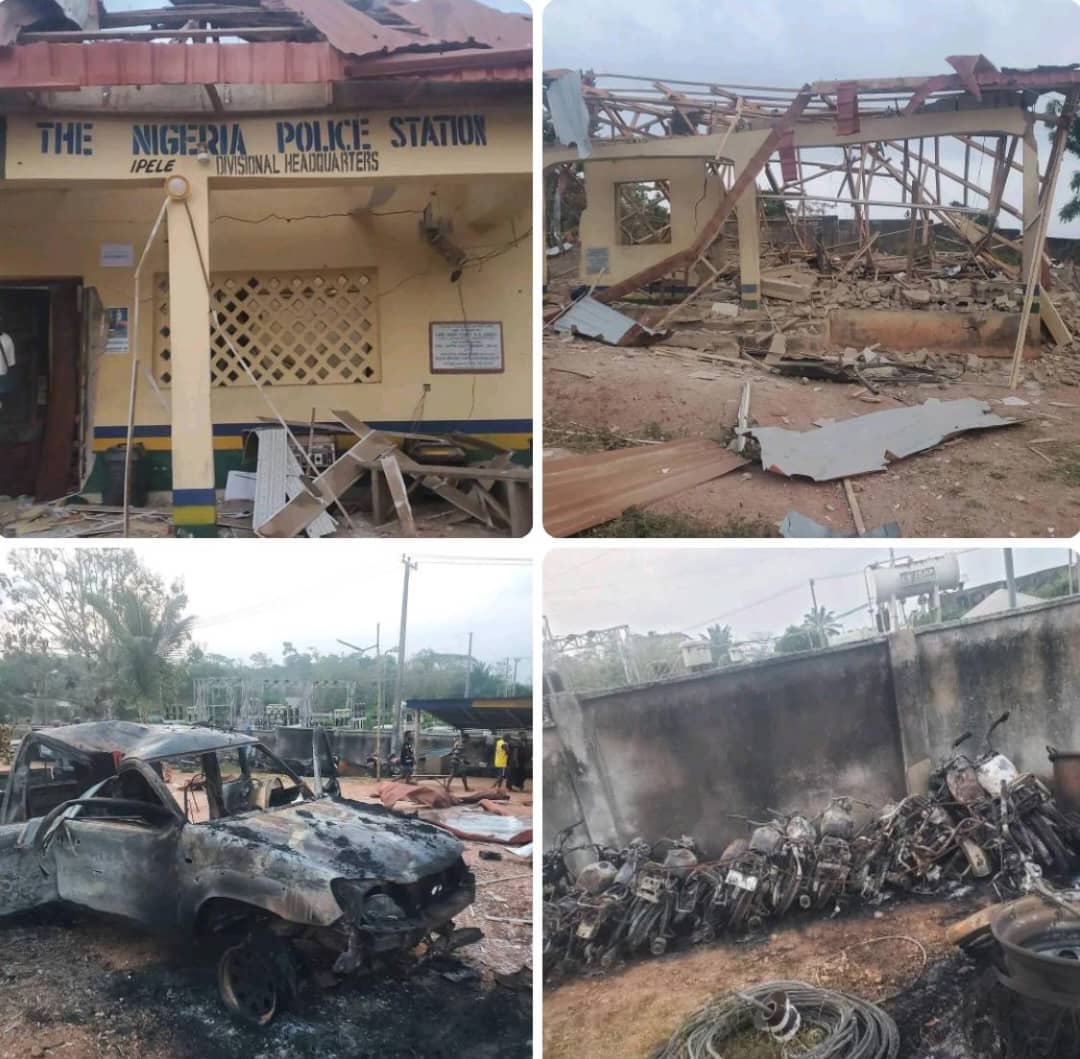
The disturbing trajectory of insecurity began even before the new year properly settled in. On the night of December 31, 2025, while residents were preparing to usher in 2026, suspected armed bandits launched an attack on the Divisional Police Station in Ipele, in Owo Local Government Area. According to security authorities, between twenty and thirty armed men stormed the station on motorcycles, firing assault rifles and deploying explosives that eventually set the facility ablaze. Although no life was lost in the attack, the incident was a chilling reminder that criminal groups had begun to test the security architecture of the state.
Barely a week into the new year, another incident occurred on January 7, 2026, along the Ifira–Isua Akoko Road. Armed men ambushed a Bajaj motorcycle conveying a young family and abducted the rider, Jimoh Isah, aged 25. His wife, their child and another passenger were left behind at the scene. Security operatives later rescued the victim after sustained search operations across nearby forests forced the kidnappers to abandon him.
But the sense of relief from that rescue was short-lived.
On January 23, gunmen attacked workers at a site in the Eleyewo area of Akure, ambushing four men and attempting to abduct them. Two of the victims were rescued by security operatives following a distress call, while the others escaped into the surrounding bush during the confusion.
Two days later, on January 25, another attack shook the Ilu-Abo community in Akure North Local Government Area. At about 8:00 p.m. along Liberty Avenue, armed men ambushed residents as they drove into their compound. Witnesses said the attackers fired several shots that punctured the tyres and fuel tank of a vehicle before abducting Oladeinde Tomilola, one of the occupants.
Two neighbours who attempted to intervene were shot, one in the head and another in the stomach, while an 11-year-old girl also sustained injuries during the attack. The incident triggered outrage within the community as residents accused authorities of failing to check the growing activities of kidnappers operating around the airport road corridor.
In anger, youths and community leaders blocked the Akure Airport–Owo Expressway, demanding stronger security presence and the establishment of a permanent military checkpoint in the area.
Unfortunately, the security situation continued to deteriorate.
On February 18, tragedy struck Agamo community in Akure North Local Government Area when gunmen attacked the residence of Oba Kehinde Jacob Falodun, the Alagamo of Agamo. The attackers reportedly invaded the monarch’s compound at about 7:10 p.m., abducted him and later shot him dead a few metres away from his residence. The killing of a traditional ruler shocked many residents and raised serious questions about the safety of rural communities.
Just days later, another painful incident unfolded in the Akoko axis.
On February 22, a popular youth leader in Isua Akoko, Ojo Abbey, widely known as “Obesere,” was abducted along the road linking Ibilo in Edo State to Isua Akoko. The young man was returning home when armed men intercepted him and dragged him into the forest. Community youths and hunters launched search operations immediately, but days later his lifeless body was discovered in a forest near Igara, throwing the community into mourning.
The tragedy deepened the fear that kidnappers and armed gangs had begun to operate with increasing boldness across the state. This led to a protest on the Akoko-Abuja road on March 4, by women and youths of Isua Akoko, which brought vehicular movement on the expressway to a half for many hours.
Only three days after the Isua incident, gunmen struck again in Uso community in Owo Local Government Area. In the early hours of February 25, armed men invaded a Celestial Church of Christ during a night vigil and abducted six worshippers who were engaged in prayers. After several days of negotiations, the victims were eventually released following the payment of about N9 million in ransom, although police claimed one of them had earlier been rescued.
Another attack occurred on March 2, when a farmer in Ogbese, a boundary community between Ondo and Ekiti states, was allegedly killed by suspected herdsmen while riding to his farm camp. The killing provoked angry protests as youths barricaded the Akure–Owo highway, paralysing vehicular movement and demanding urgent intervention from the authorities.
Three days later, on March 5, residents of Ogunti Camp in the Pelebe area of Akure were thrown into panic when suspected gunmen attacked a couple outside their residence along Oda Road at about 8:45 p.m. During the attack, the husband, Adesida Daniel, a tomato farmer, was shot in the hand while attempting to resist the attackers who abducted his wife.
Yet the most dramatic expression of public anger came on Tuesday, March 10, when residents of Ilu-Abo and neighbouring communities in Akure North staged a massive protest over the worsening insecurity.
The demonstration followed a series of attacks that had turned the area into a flashpoint for kidnappers operating along the Akure Airport Road corridor and nearby forests.
Residents said the immediate trigger for the protest was an attack on Monday night, March 9, when heavily armed men stormed the community firing sporadically into the air. During the attack, one person was shot and later died from gunshot wounds while three others were abducted and taken into the forest.
In anger and frustration, youths and other residents blocked the Akure–Owo Expressway, using logs, tyres and other objects to barricade the road. In a dramatic and emotional display, protesters placed the remains of the slain victim on the highway as they demanded urgent government intervention.
The protest paralysed traffic on the busy highway linking southern Nigeria with the northern region, leaving commuters stranded for hours.
Placards carried by the demonstrators captured the mood of the community: “We Are Dying, Save Our Soul,” “Mr Governor, Please Assist Us,” and “We Cannot Go to Farms Again.”
Residents lamented that kidnappings had become frequent in the area. Some recalled that just a day earlier, gunmen had abducted Joseph Kayode, a local government official, and Esther Akinlolu at a poultry farm along Kajola Road in the same community.
Another victim, Joseph Aladesuyi, the Secretary of Okeluju Local Council Development Area in Akoko North West, was also abducted at a farm in the Kajola axis by about ten armed men who reportedly fired into the air before dragging him away despite resistance that left him wounded in the hand.
The spate of attacks has forced many farmers in the area to abandon their farmlands while residents now avoid travelling at night.
What is particularly troubling to many observers is the perception that the Ondo State Government has not responded to the crisis with the urgency and empathy expected of leadership in such difficult circumstances.
Governor Lucky Aiyedatiwa has often been accused by critics of playing down the seriousness of the situation even as communities continue to mourn their dead and negotiate ransom payments for abducted relatives.
In moments of crisis, leadership is not only judged by policies but also by presence and compassion. Yet many residents point out that the governor has not personally visited several communities affected by these attacks, including the Celestial Church of Christ in Uso, where worshippers were kidnapped during a prayer vigil.
Even as residents of Ilu-Abo protested to draw attention to their plight, the governor criticised the demonstration, warning that protests could be hijacked by hoodlums.
Ironically, it was on the same day that he declared that his administration would fish out all perpetrators and collaborators involved in kidnapping and violent crimes in the state.
For many residents, however, the declaration sounded belated.
The insecurity confronting Ondo State is complex. The vast forest belts linking the state to neighbouring territories provide natural hideouts for criminal gangs, making it easier for them to move victims and evade security patrols.
But beyond geography, citizens believe the situation demands a more decisive political response, one that combines intelligence-driven security operations with visible leadership that reassures frightened communities.
For now, many residents remain anxious about what tomorrow may bring. Farmers fear venturing into distant fields, travellers worry about lonely roads, and families pray daily that their loved ones will not become the next victims.
For those who have already buried relatives, paid ransom to kidnappers, or waited endlessly for the safe return of abducted family members, the crisis is no longer an abstract issue of security policy.
It is a painful reality unfolding in their homes, their farms and their communities across Ondo State.