
By Our Reporter
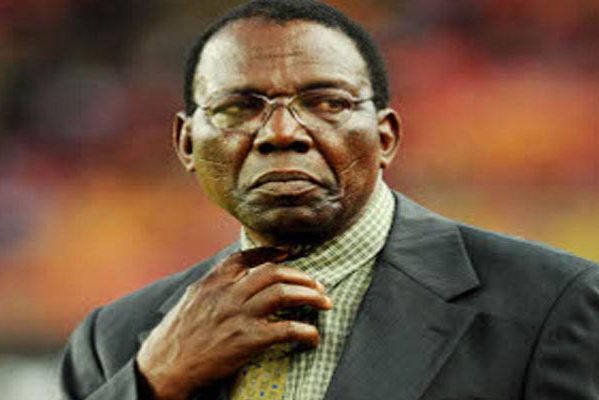
Festus Adegboye Onigbinde, the first indigenous coach of Nigeria’s national football team, the Super Eagles, is dead. He was 88.
The veteran football tactician reportedly passed away on Monday, according to a statement issued by the family and signed by Bolade Adesuyi.
“With gratitude to God for a life well spent, we announce the passing of High Chief Festus Onigbinde, a Modakeke High Chief and Nigeria’s first indigenous Super Eagles coach,” the statement read.
Adesuyi described the late sports icon as a devoted father, husband, grandfather, great-grandfather, brother and friend whose contributions to Nigerian and global football were remarkable.
The family expressed appreciation to God for what they described as a fulfilled life and prayed for the peaceful repose of his soul, adding that funeral arrangements would be announced later.
Onigbinde had celebrated his 88th birthday on March 5, 2026, just days before his passing.
During his lifetime, the late coach played a significant role in the development of Nigerian football, particularly in the national team.
He first managed the national side, then known as the Green Eagles, between 1982 and 1984.
During that period, he led Nigeria to the final of the 1984 Africa Cup of Nations, where the team finished as runners-up after losing 3-1 to Cameroon national football team.
Onigbinde later returned to the national team in 2002, replacing the late Shuaibu Amodu as head coach.
He led the Nigeria national football team to the 2002 FIFA World Cup hosted by South Korea and Japan.
However, Nigeria exited the tournament at the group stage after losing 1-0 to Argentina national football team and 2-1 to Sweden national football team, before playing a goalless draw with England national football team.
Beyond coaching, Onigbinde also served as Special Adviser on Football to the Osun State Government, contributing his experience to the development of the sport at the state level.
Widely respected in Nigerian football circles, the late coach was also a traditional title holder in Modakeke, Osun State.
Tributes have begun to pour in from the football community and sports enthusiasts who remember him for his dedication to the growth of football in Nigeria.