
By David Akinadewo-Adekahunsi
Nigeria is in mourning following the death of former President Muhammadu Buhari, GCFR, who passed away on this afternoon, in a private clinic in London. He was 82.
A brief statement issued by his longtime media aide, Garba Shehu, confirmed the passing: “Inna lillahi wa inna ilayhi raji’un. The family of the former president has announced the passing on of the former president, Muhammadu Buhari, GCFR, this afternoon in a clinic in London. May Allah accept him in Aljannatul Firdaus, Amin.”
Buhari, who served as Nigeria’s democratically elected President from 2015 to 2023 after earlier ruling as a military Head of State between 1983 and 1985, was widely regarded as a central figure in the nation’s political and military history.
His death marks the end of an era for one of the country’s most influential and controversial leaders.
Reactions have begun pouring in from across the political spectrum and global community.
President Bola Ahmed Tinubu, in a condolence message released by the State House, described Buhari as “a patriot who gave his all in service to the nation and whose legacy will be studied and debated for generations to come.”
Flags have been ordered to fly at half-mast nationwide, and a period of national mourning is expected to be declared.
Born on December 17, 1942 in Daura, Katsina State, Muhammadu Buhari joined the Nigerian Army at a young age and rose swiftly through the ranks.
He emerged into national prominence following the military coup of December 1983, when he became Head of State, promising to rid Nigeria of corruption and indiscipline.
Though overthrown in 1985, he returned to the national stage three decades later, winning the presidency in 2015 under the banner of the All Progressives Congress (APC), defeating the incumbent, Dr Goodluck Jonathan, the first time an opposition candidate unseated a sitting Nigerian president via the ballot box.
Buhari’s eight-year civilian administration was marked by a focus on anti-corruption, infrastructural development, and the fight against insurgency, especially Boko Haram.
However, his tenure was also criticised for economic stagnation, worsening insecurity, and perceived lopsided appointments.
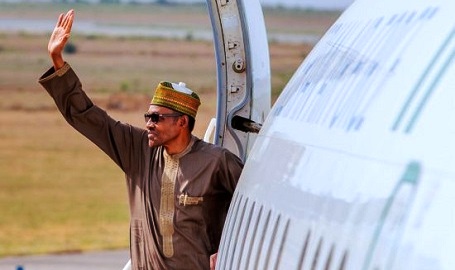
Despite health challenges that often took him abroad, particularly to the United Kingdom, Buhari remained active in governance and was re-elected in 2019.
He retired quietly to his hometown in Daura after handing over to Tinubu in May 2023, largely staying out of the limelight and making only occasional public appearances.
Buhari is survived by his wife, Aisha Buhari, children, grandchildren, and a political legacy that will remain deeply etched in Nigeria’s history.
Funeral arrangements, in accordance with Islamic rites, are expected to be announced in the coming hours.
He is likely to be buried in Daura, his ancestral home, in line with family tradition.