
By David Akinadewo-Adekahunsi
Journalists in Ondo State have received training on grassroots reporting, fact-checking, accountability journalism and the use of artificial intelligence (AI) in news gathering ahead of the 2027 general elections.
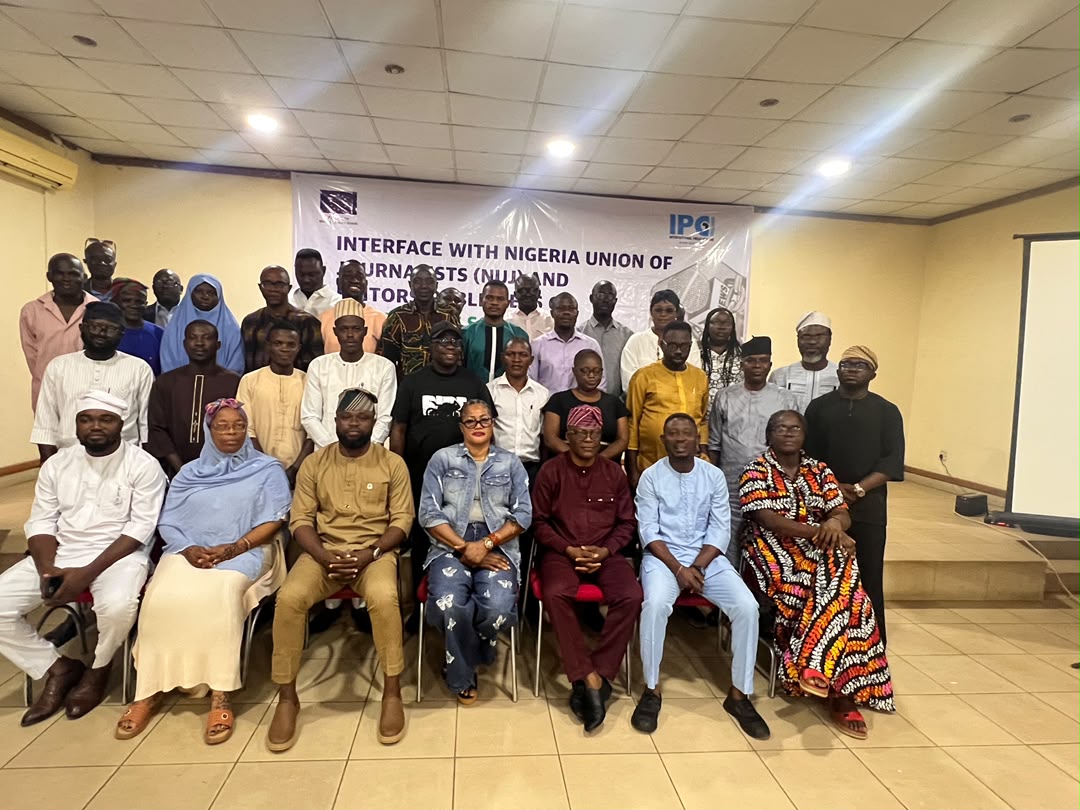
The training was organised by the International Press Centre (IPC) during a two-day engagement with members of the Nigeria Union of Journalists (NUJ), editors and online media publishers in Akure, Ondo State, as part of efforts to strengthen the media’s capacity to deliver credible, balanced and issue-based election coverage.
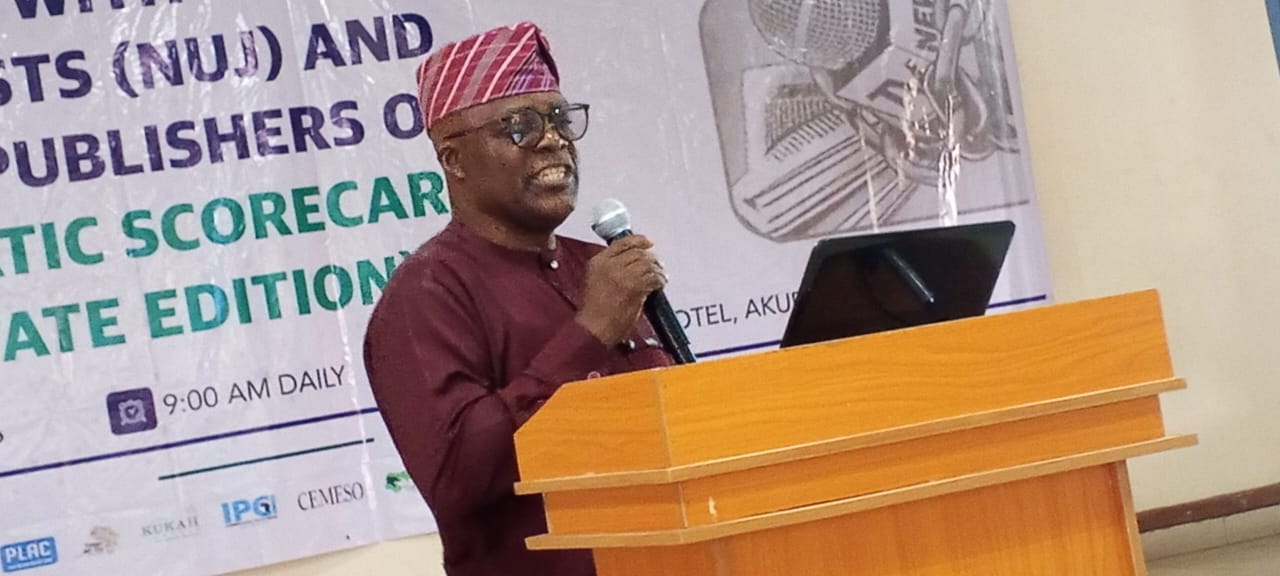
One of the resource persons, Mr Adegbenro Adebanjo, Director of Corporate Communications at the Federal University of Technology, Akure, urged journalists to pay greater attention to the needs and concerns of grassroots communities in their election reports.
Adebanjo said journalists should investigate the challenges confronting local communities and ensure that such concerns featured prominently in reports examining the manifestos and campaign promises of political parties and candidates.
He noted that election reporting would be more meaningful if it focused on how proposed policies and political commitments would address the everyday problems of citizens rather than concentrating largely on political rallies, party defections and campaign activities.
According to him, journalists have a responsibility to bring the concerns of ordinary Nigerians into the electoral conversation by examining the practical implications of candidates’ promises for communities and their residents.
Another facilitator, Olusola Oludiran, trained participants on the integration of fact-checking into accountability journalism, stressing the need to verify political claims and scrutinise statements made by candidates and other public office seekers.
The session highlighted the importance of evidence-based reporting in an election period when misleading claims, political propaganda and unverified information could influence public opinion and undermine confidence in the electoral process.
Daniel Dabo, another facilitator, exposed participants to the use of artificial intelligence and digital tools to improve journalistic practice.
His session examined how emerging technologies could assist journalists in news gathering, research and information verification, while emphasising the need for professional judgment when using digital tools in the newsroom.
The training was organised under Component Four, Support to Media, of the European Union Support to Democratic Governance in Nigeria Phase III programme.
The Executive Director of IPC, Mr Lanre Arogundade, who was represented by the centre’s Programme Manager, Stella Nwofia, said the engagement was designed to strengthen journalists’ capacity to provide accurate, balanced, credible and inclusive coverage of the 2027 general elections.
Arogundade charged media practitioners to prioritise fact-checking, accountability journalism and public-interest reporting, warning that sensational reports and the spread of misinformation and disinformation could erode public confidence, deepen political divisions and weaken democratic institutions.
He urged journalists to interrogate campaign promises, scrutinise political manifestos and hold candidates and political parties accountable for their commitments to the electorate.
He identified the economy, education, healthcare, security, employment and infrastructure as critical issues that should receive adequate attention in election coverage.
The IPC executive director also called for more inclusive reporting that would give women, young people, persons with disabilities and other underrepresented groups a stronger voice in the electoral process.
He emphasised that journalists must ensure voters were adequately informed about candidates, political parties, electoral issues and proposed policies to address the country’s challenges.
Arogundade further stressed the need for journalists to strengthen their verification processes, cross-check information before publication and exercise caution when reporting politically sensitive issues, maintaining that accuracy and credibility must take precedence over the pressure to break news.
He also highlighted the importance of journalists’ safety and professional independence, urging relevant stakeholders to ensure that media practitioners could discharge their duties without intimidation, harassment or unlawful interference.
The IPC equally called for greater public understanding of electoral participation, emphasising that the Permanent Voter Card (PVC) was an electoral instrument for exercising the right to vote and not merely an identification card.
The centre maintained that a free and independent media, supported by rigorous fact-checking, grassroots-focused reporting and accountability journalism, was essential to ensuring that Nigerians made informed electoral choices in 2027.