
By David Akinadewo-Adekahunsi
Nigeria should not hesitate to confront neighbouring countries allegedly harbouring terrorists responsible for violence and kidnappings within its borders, a foreign policy expert and international diplomat, Olutoyin Oloniteru, has said.
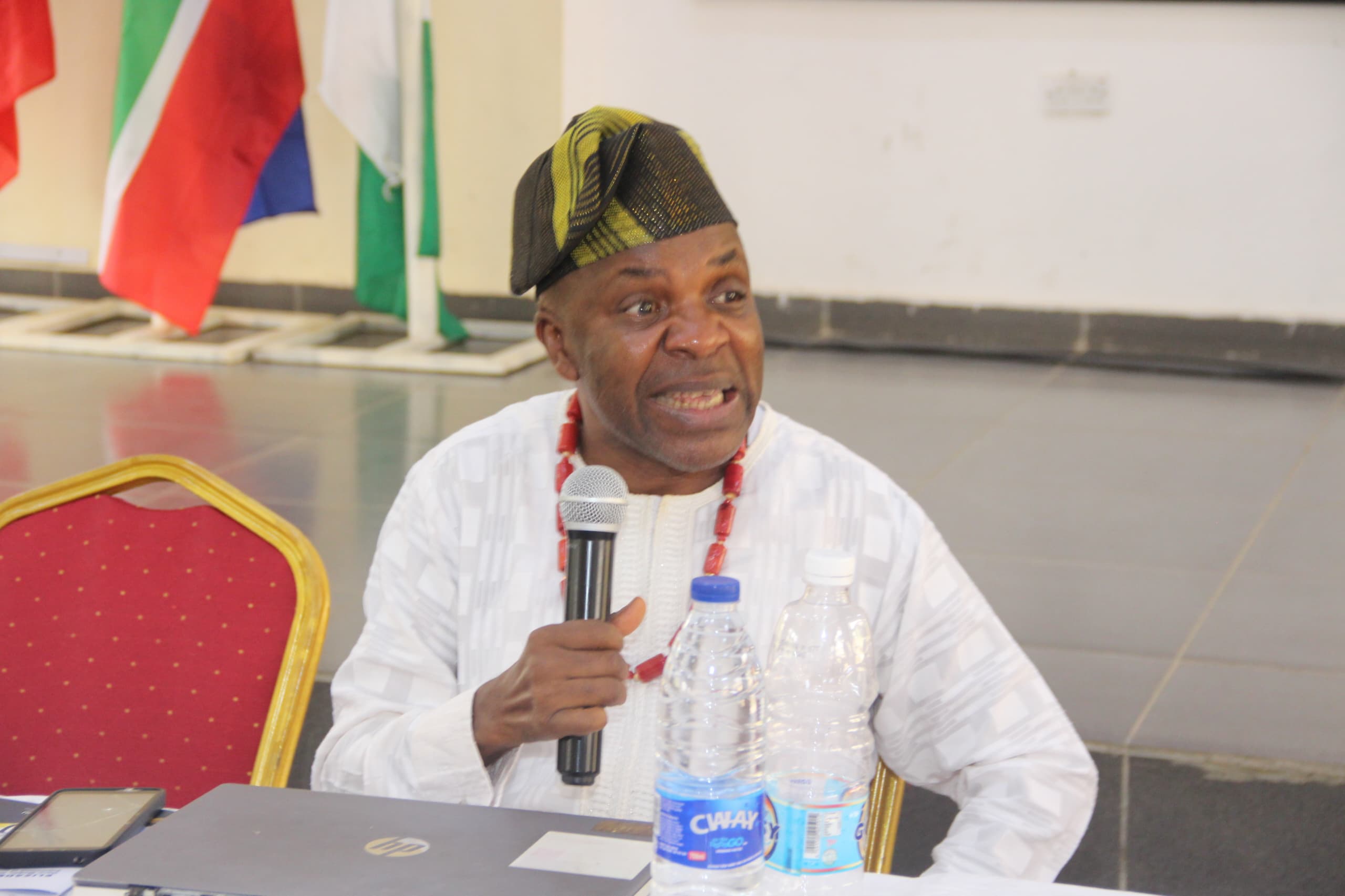
Oloniteru made the assertion while delivering a lecture at the 2026 Diplomatic Exposure organised by Elizade University, where he argued that the country has the sovereign right under international law to defend itself against external threats.
Speaking on the theme, “Contemporary International Politics: Peace by Force and the Challenges of International Law,” the diplomat said Nigeria had “for too long slept on its sovereign right” to confront growing security threats from terrorist groups reportedly operating from territories in Niger and Burkina Faso.

According to him, the continued activities of terrorist groups operating across borders have had devastating consequences on lives, livelihoods and national security in Nigeria, making it imperative for the country to take firm and decisive steps to safeguard its citizens.
Oloniteru, who is the Chairman of the Labour Migration Advisory Committee for Employers and also a member of the Expert Group of the United Nations Office for Outer Space Affairs in Vienna, explained that international law recognises certain conditions under which a nation may legitimately deploy military force beyond its borders.
He stated that a country is justified in entering another nation’s territory either in self-defence or when authorised by the United Nations Security Council, stressing that Nigeria would not be breaching international law if it acts within these recognised frameworks to protect its territorial integrity.
The diplomat noted that the persistence of cross-border terrorism had made it necessary for Nigeria to rethink its security strategies, particularly in dealing with criminal networks that exploit porous borders to perpetrate attacks.
Oloniteru also used the occasion to advocate reforms within the United Nations Security Council, arguing that the present global security architecture must evolve to reflect contemporary geopolitical realities and respond more effectively to emerging international threats.
Earlier in his remarks, the Vice-Chancellor of Elizade University, Philip Gbenro Oguntunde, expressed satisfaction that students of International Relations were gaining valuable exposure to the insights and experiences of seasoned diplomats and global policy experts through the university’s Diplomatic Exposure initiative.

Oguntunde said the programme was designed to bridge the gap between classroom learning and practical global realities by enabling students to engage directly with practitioners in the field of diplomacy and international relations.
Also speaking at the event, the Chairman of the Committee of Deans and Dean of the Faculty of Humanities, Social and Management Sciences, Joseph Fabayo, commended the students for their composure and intellectual maturity during the interaction, describing them as promising future actors in the global diplomatic space.

The Acting Head of the Department of International Relations, Tunde Fajimbola, explained that the theme of the 2026 Diplomatic Exposure was deliberately chosen to stimulate critical thinking among students on emerging global crises and the complex challenges of maintaining peace in the international system.
He noted that the programme remains one of the flagship academic engagements of Elizade University, aimed at deepening intellectual discourse, strengthening experiential learning and exposing students to practical perspectives on international relations.
Fajimbola added that the initiative reflects the institution’s broader commitment to producing globally competitive graduates equipped with the knowledge and analytical skills required to navigate the complex dynamics of contemporary international politics.