
By David Akinadewo-Adekahunsi
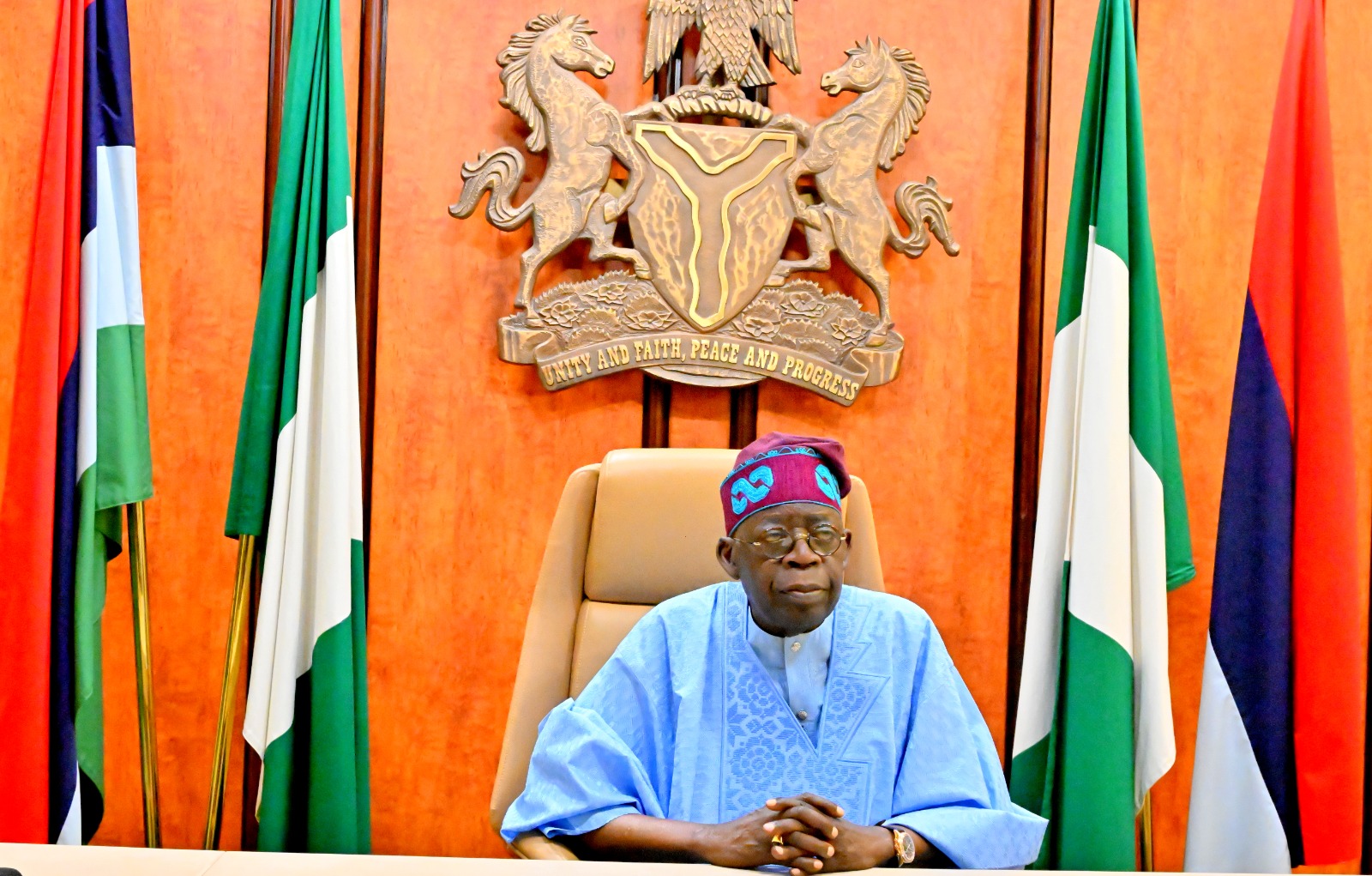
President Bola Ahmed Tinubu on Friday conferred national honours on several pro-democracy activists, journalists, politicians and civil society leaders in recognition of their contributions to the struggle for democratic rule in Nigeria.
Among those honoured were Oladele Alake, Sam Omatseye, Olatunji Bello, Tunde Fagbenle, Bola Bolawole, Lade Bonuola, Femi Kusa, Chief Ayo Opadokun, Debo Adeniran, Richard Akinnola, Dr Joe Okei-Odumakin, Major-General Ishola Williams (retd), Gbemiga Ogunleye, Babajide Kolade-Otitoju and Ike Okonta.
The President also honoured several military officers who played prominent roles in the June 12 struggle, including Colonel Sambo Dasuki, Colonel Lawan Gwadabe, Brigadier General Lawal Jaafaru Isa, Major General M.A. Garba, Major General Chris Eze and Brigadier Jonathan Ndam Temlong, among others.
Tinubu made the announcement during his nationwide broadcast to mark the 2026 Democracy Day celebration, stating that the award recipients endured persecution, detention, exile, imprisonment and other hardships in the fight to restore democratic governance in Nigeria.
The President further announced that the Federal Government had approved the revitalisation and renaming of the completed Institute of Petroleum Studies in Kaduna after the late General Shehu Musa Yar’Adua in recognition of his contributions to Nigeria’s democratic development.
The institution will henceforth be known as the General Shehu Musa Yar’Adua University of Geological Sciences and Engineering Technology.
Paying glowing tribute to the late military officer and politician, Tinubu described Yar’Adua as one of the architects of modern democratic Nigeria whose vision helped shape the country’s democratic evolution.
The President used the occasion of Democracy Day to reflect on Nigeria’s 27 years of uninterrupted civilian rule, noting that since the return to democratic governance in 1999, Nigerians had consistently elected their leaders through the ballot box and resolved political disputes through constitutional institutions rather than violence.
According to him, although Nigeria’s democracy remains imperfect, it belongs to Nigerians and must be protected and strengthened.
Tinubu urged the Independent National Electoral Commission (INEC), security agencies and political parties to ensure peaceful and credible governorship elections in Ekiti and Osun states, warning that democracy suffers when citizens lose confidence in the electoral process.
He also called on the National Assembly, the judiciary, the media and civil society organisations to continue playing their roles as guardians of democratic governance.
Addressing Nigerian youths, the President encouraged them to remain committed to building the nation by investing their talents, skills and energy at home rather than abandoning the country in search of opportunities elsewhere.
He equally commended members of the armed forces, the police, intelligence agencies, traditional rulers, religious leaders and community stakeholders for their contributions to peace and national stability.
While paying tribute to the heroes of democracy, Tinubu remembered Chief M.K.O. Abiola, Alhaja Kudirat Abiola, Chief Ganiyu Oyesola Fawehinmi, Chief Bola Ige, Chief Alfred Rewane, Pa Abraham Adesanya, Chief Anthony Enahoro, Alhaji Balarabe Musa, Commodore Dan Suleiman, Dr Beko Ransome-Kuti, Frank Kokori, Arthur Nwankwo, Chima Ubani and Shehu Musa Yar’Adua, among others.
The President said June 12 remains a defining moment in Nigeria’s history because it demonstrated the possibility of a united nation beyond ethnic, religious and regional divides.
On security, Tinubu acknowledged growing concerns over insecurity, especially following the recent abduction of schoolchildren in Oyo and Borno states, but assured Nigerians that his administration remained committed to restoring peace across the country.
He disclosed that the government had declared a security emergency and approved the recruitment of more than 50,000 police officers and thousands of military personnel to strengthen security operations nationwide.
According to him, the 2026 budget earmarked N5.41 trillion for defence and security, the largest allocation ever made to the sector.
The President revealed that military operations had recorded significant gains against insurgent groups, noting that terror-related deaths had dropped substantially while thousands of terrorists had been neutralised over the past year.
He added that more than 124,000 former fighters and their dependants had surrendered through Operation Safe Corridor since 2023.
Tinubu warned terrorists, bandits, kidnappers and their sponsors to surrender or face the full force of the law, stressing that the government would show no mercy to those responsible for shedding innocent blood.
On the economy, the President defended his administration’s reform agenda, saying difficult but necessary decisions were taken to stabilise public finances, restore investor confidence and create conditions for sustainable growth.
He said government revenues had increased significantly, enabling states and local governments to undertake more development projects in critical sectors.
Tinubu also highlighted improvements in agriculture, manufacturing, mining, transportation, technology and the creative industry, noting that non-oil exports recorded a 21 per cent increase in the last year.
The President said his administration had taken decisive steps to address long-standing challenges in the power sector, including the implementation of the Electricity Act, which empowers states to generate, transmit and distribute electricity.
He added that efforts were ongoing to reduce the country’s metering deficit and settle legacy debts in the electricity value chain through a proposed N4 trillion bond.
Despite the progress recorded, Tinubu admitted that many Nigerians were still experiencing economic hardship and pledged that the government would remain focused on reducing inflation, increasing food production, creating jobs and improving living standards.
He reiterated his administration’s commitment to local government autonomy, describing effective grassroots governance as essential to national development and security.
According to him, the generation that fought for Nigeria’s independence secured political freedom, while the heroes of June 12 secured democracy.
He said the responsibility of the current generation is to secure economic prosperity for all Nigerians.
Tinubu concluded by calling for unity, hope and collective action in building a more prosperous nation, insisting that despite the challenges facing the country, Nigerians remain resilient and determined.
“The road ahead is steep. But June 12 reminds us that Nigerians do not break. We bend, we bleed, but we do not break,” the President declared.